
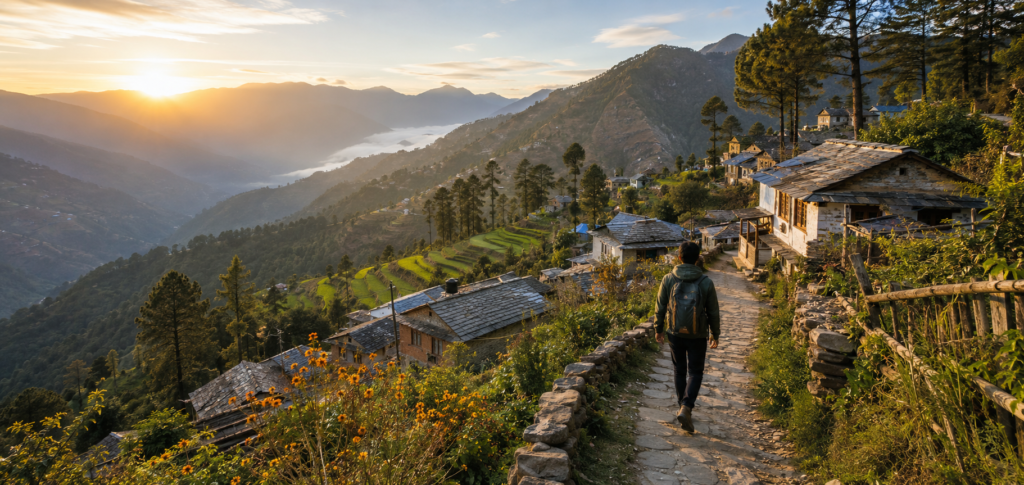
Sustainable tourism in India is shaping a new way of exploring the country’s diverse landscapes and cultures. Today’s travellers are looking beyond popular destinations, choosing experiences that protect nature, support local communities, and create lasting memories. From the Himalayas to coastal villages, responsible travel is becoming the future of Indian tourism.
This is where sustainable tourism is shaping the future of travel in India.
Today’s travelers are increasingly seeking experiences that go beyond sightseeing. They want meaningful connections with local communities, authentic cultural interactions, and opportunities to explore nature responsibly. Rather than crowded tourist hubs, many are choosing offbeat destinations that offer tranquility, authenticity, and a deeper understanding of the places they visit.
Sustainable Tourism in India is Redefining Travel
The future of tourism is no longer about ticking destinations off a bucket list. It is about slowing down, immersing oneself in local culture, and leaving a positive impact on the places we visit.
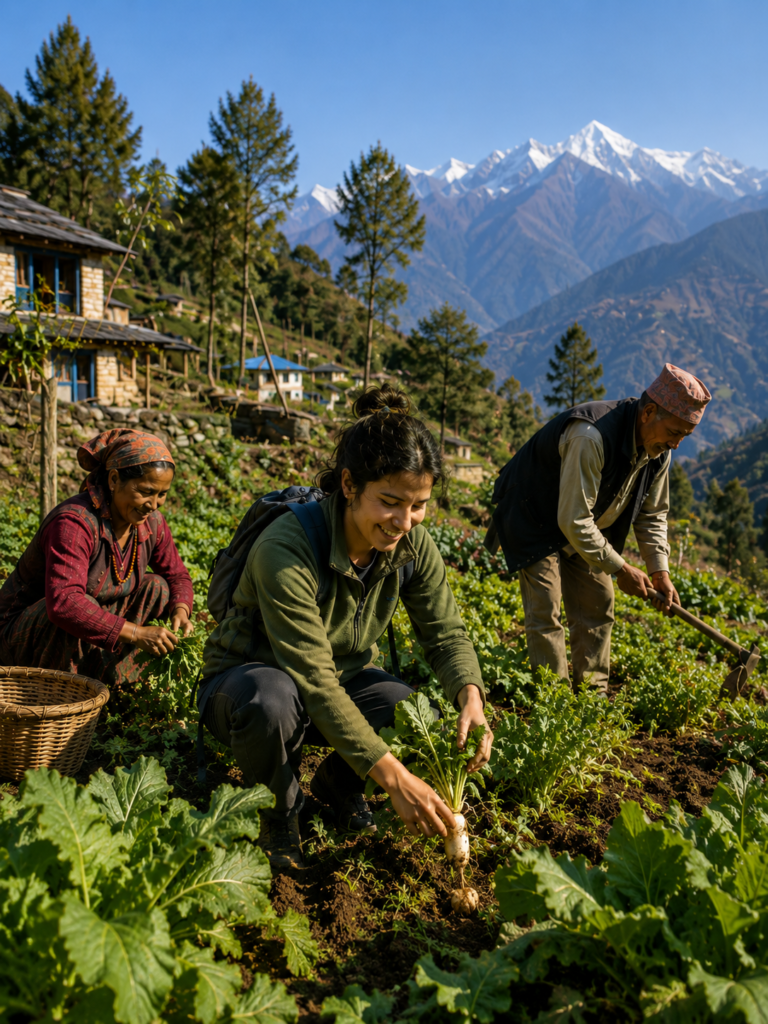
Across India, rural and nature-based tourism is becoming increasingly popular. Travelers are exploring lesser-known villages, staying in locally managed homestays, participating in traditional farming activities, and discovering regional cuisines prepared with locally sourced ingredients. These experiences not only enrich the traveler’s journey but also provide sustainable livelihoods for local communities.
Destinations in the Kumaon Himalayas, for example, are witnessing a growing interest from travelers looking to reconnect with nature while supporting responsible tourism initiatives.


How Sustainable Tourism in India Protects Nature
India is home to some of the world’s richest biodiversity. From bird-rich forests and alpine meadows to wildlife sanctuaries and protected ecosystems, nature remains one of the country’s greatest attractions.
Sustainable tourism encourages visitors to appreciate these natural wonders without disturbing them. Activities such as nature walks, bird watching, forest exploration, and low-impact trekking allow travelers to experience the outdoors while fostering a deeper respect for the environment.
Many eco-conscious accommodations are also adopting practices such as rainwater harvesting, solar energy, composting, organic gardening, and plastic-free operations. These small but meaningful efforts help preserve fragile ecosystems while inspiring travelers to adopt more sustainable habits in their everyday lives.
Sustainable Tourism in India Supports Local Communities
One of the most important aspects of sustainable tourism is its ability to empower local communities.
When travelers choose locally owned accommodations, hire local guides, purchase handcrafted products, and dine on regional cuisine, tourism revenue remains within the community. This creates employment opportunities, supports traditional livelihoods, and encourages younger generations to preserve their cultural heritage.
Across India, artisans, farmers, storytellers, and local entrepreneurs are finding new opportunities through tourism that values authenticity over commercialization.

Technology and Responsible Travel
Technology is making sustainable travel more accessible than ever before. Travelers can now easily discover eco-friendly accommodations, responsible tour operators, and community-led experiences through digital platforms.
Informed travelers are increasingly choosing destinations and businesses that demonstrate environmental responsibility. As awareness grows, sustainability is becoming a key factor in travel decisions, encouraging tourism businesses across India to adopt greener practices.
The Road Ahead
The future of tourism in India lies in balance—between exploration and conservation, growth and responsibility, comfort and authenticity.
Travelers are no longer simply searching for beautiful destinations; they are seeking experiences that create meaningful memories while respecting nature and local communities. This shift is paving the way for a more sustainable tourism industry that benefits everyone involved.
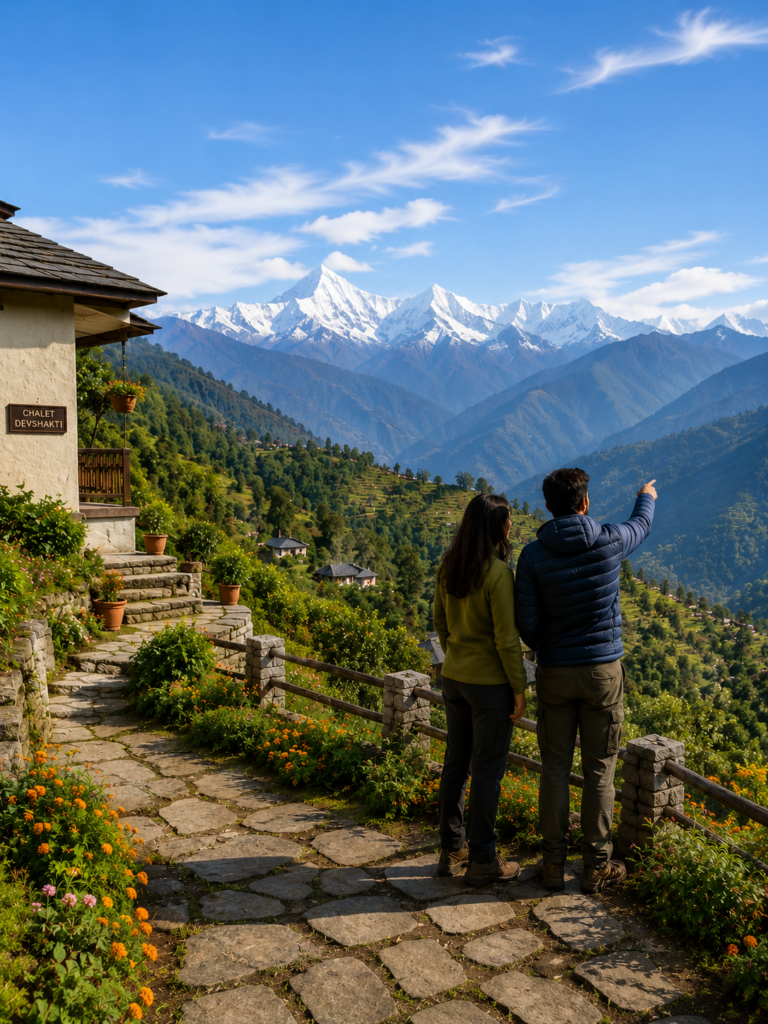
At EarthenZ, we believe that travel should enrich both the traveler and the destination. Whether it is spending quiet mornings in a Himalayan village, walking through forest trails, listening to local stories, or simply slowing down to appreciate nature, every journey has the potential to make a positive impact.
As India embraces sustainable tourism, the future promises more conscious travel experiences, stronger local communities, and better protection of the natural landscapes that make this country extraordinary.
Because the best journeys are not measured by how far we travel—but by how responsibly we explore.