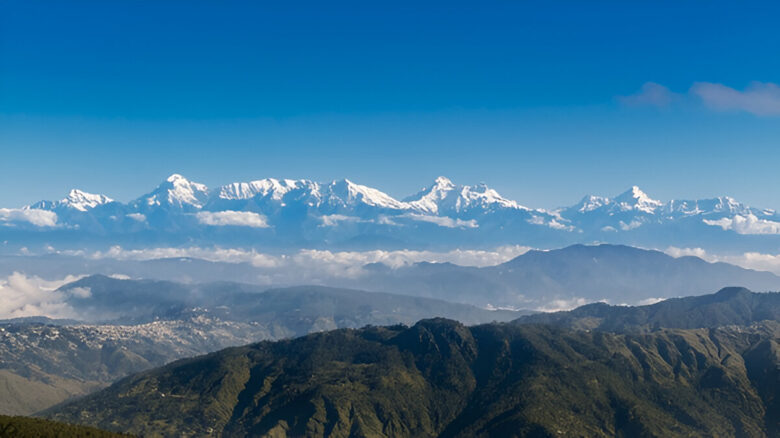
Uttarakhand is known for its sacred rivers and towering Himalayan peaks. However, beyond these dramatic landscapes lies a quieter and older story — the ancient water systems of Uttarakhand that sustained mountain communities for centuries.
Long before pipelines and concrete reservoirs, villagers designed practical systems to collect, store, and distribute water. They studied rainfall patterns, understood mountain slopes, and respected groundwater recharge zones. As a result, they created a sustainable model of living that still offers lessons today.
At Earthenz, this philosophy of conscious mountain living continues through thoughtful design and environmental respect. You can explore this vision further on our Home and Our Story pages.
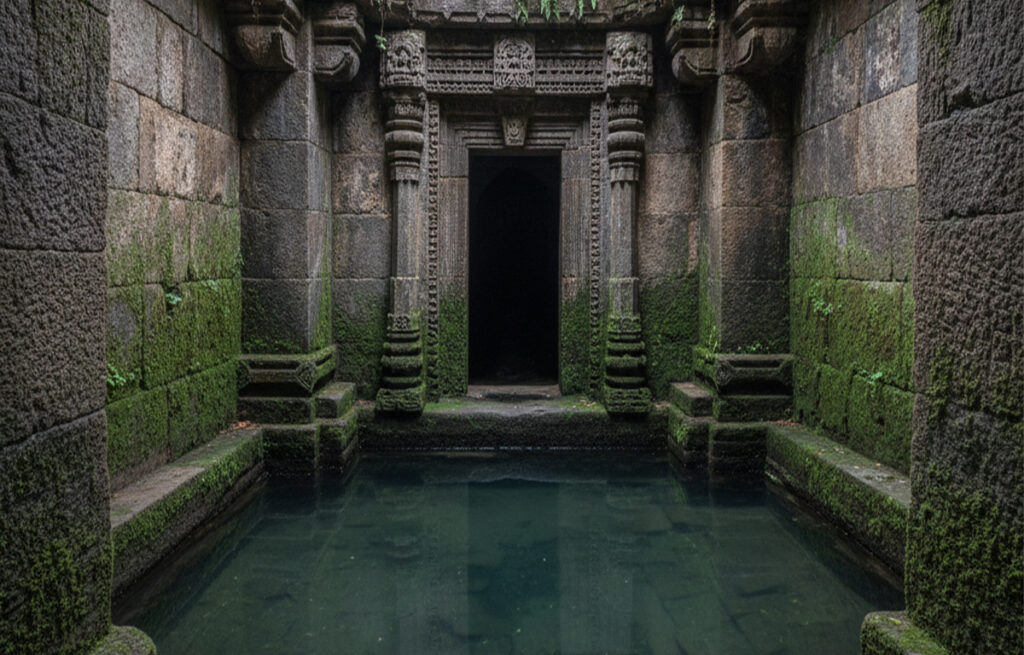
The Sacred Naulas of Kumaon
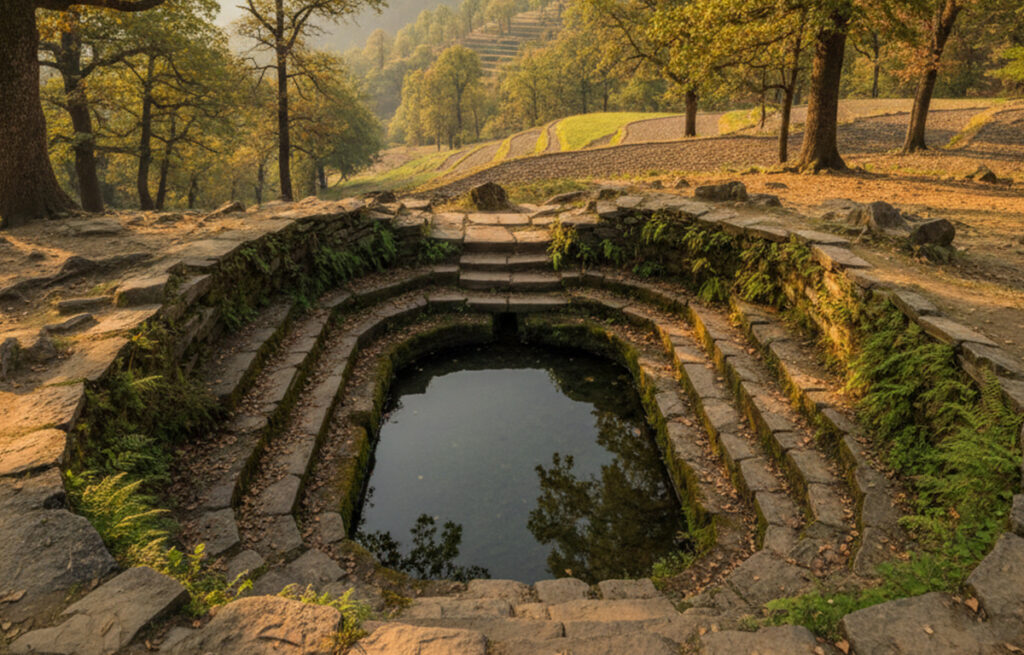
Across the Kumaon region, communities carved naulas — stone-built spring chambers designed to protect freshwater sources. Instead of leaving springs exposed, villagers enclosed them within stepped stone structures. This design kept the water cool, clean, and safe from contamination.
In places like Almora, many naulas still stand as symbols of traditional water conservation in Uttarakhand. Their temple-like entrances reflect both architectural skill and spiritual reverence.
Moreover, these systems promoted decentralized water storage. Each village maintained its own supply. Therefore, communities reduced dependence on distant sources and ensured long-term resilience.
Dharas: Flowing Water for Daily Life
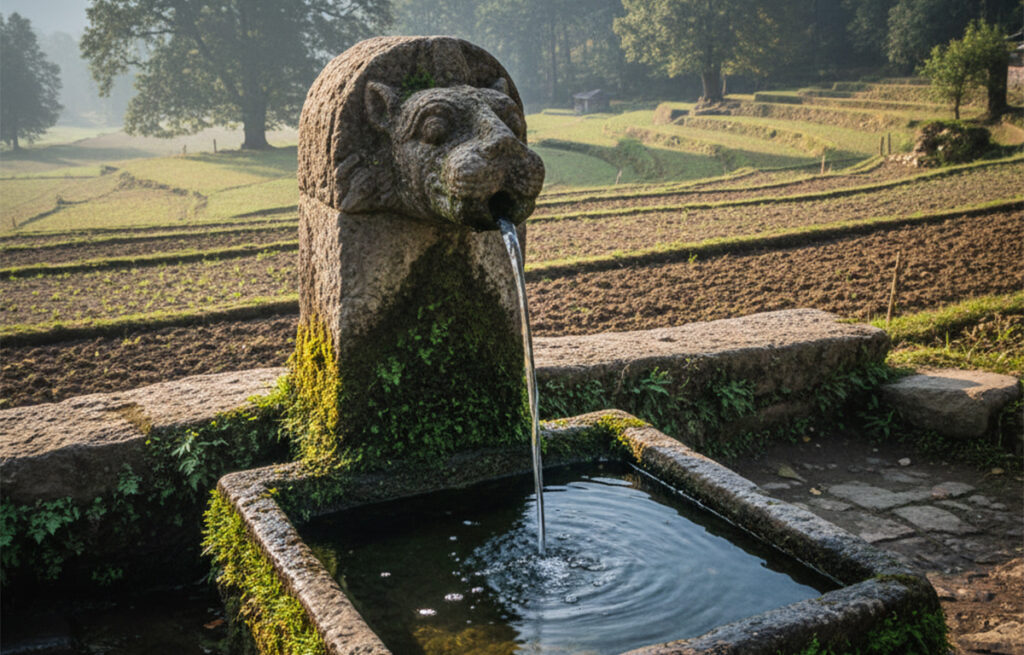
While naulas stored water, dharas ensured constant flow. These carved stone spouts directed spring water into accessible basins. Villagers collected water easily, and the steady movement kept it fresh.
More importantly, dharas became social spaces. Women gathered here every morning. Farmers paused during long workdays. Children learned the value of shared resources by observing elders maintain the structure.
If you wish to experience these traditional systems firsthand, explore our curated Village Walks and discover how water still shapes everyday mountain life.
Because everyone depended on the dhara, everyone protected it. This shared responsibility created a strong foundation for community-based sustainability.
Chal-Khal: Rainwater Harvesting in the Hills
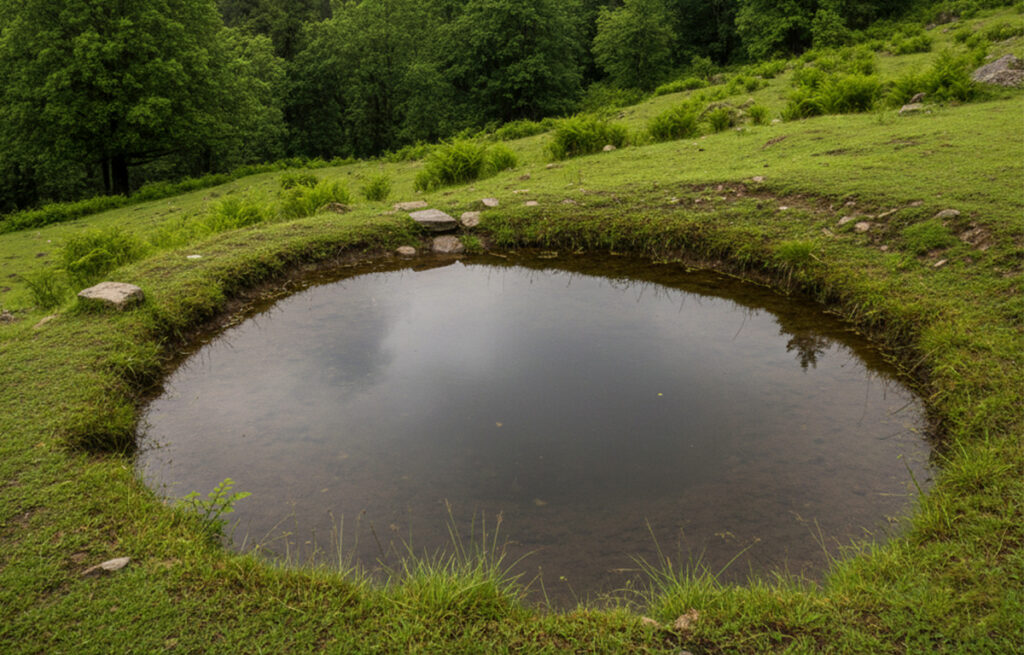
In higher elevations where springs weakened during dry months, villagers developed chal-khal systems. These shallow earthen ponds captured monsoon rainwater and allowed it to slowly seep into the ground.
Instead of letting rainwater rush downhill and erode soil, communities slowed its movement. Consequently, groundwater levels improved and nearby vegetation thrived. This approach aligns closely with the principles behind our commitment to Sustainable Stays in Uttarakhand, where natural systems guide modern design.
Guls: Mountain Irrigation Engineering
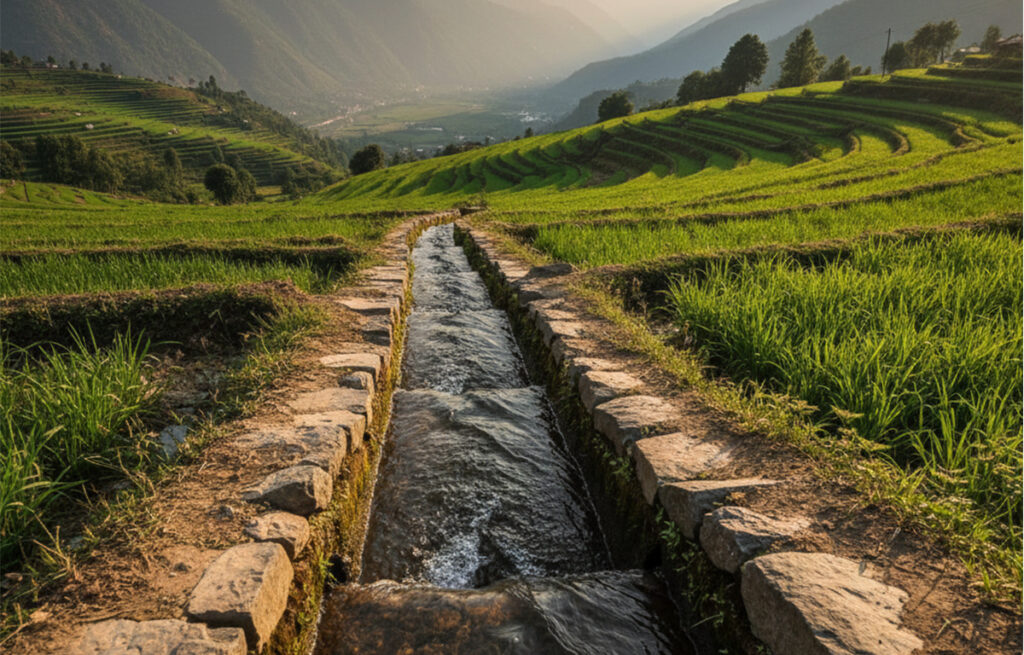
Steep terrain makes farming difficult in Uttarakhand. However, villagers overcame this challenge with guls — narrow irrigation channels carved along mountain contours.
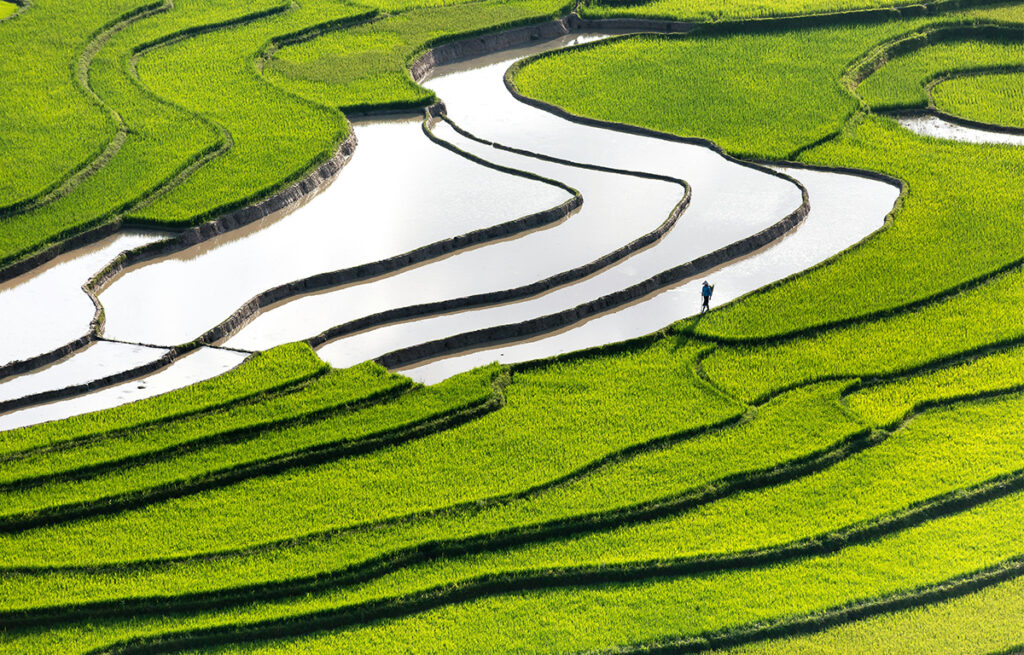
Farmers carefully calculated gradients so water flowed smoothly without damaging fields. These gravity-fed channels distributed water evenly across terraced farms. As a result, villages sustained crops like mandua and rajma even on steep slopes.
Guests exploring our Hiking Trails or Local Activities in Uttarakhand often notice these traditional irrigation channels quietly supporting village life.
Because guls required regular maintenance, communities worked together to keep them functional. Therefore, irrigation became both an engineering achievement and a social responsibility.
Hartola: Where Water Wisdom Still Guides Living
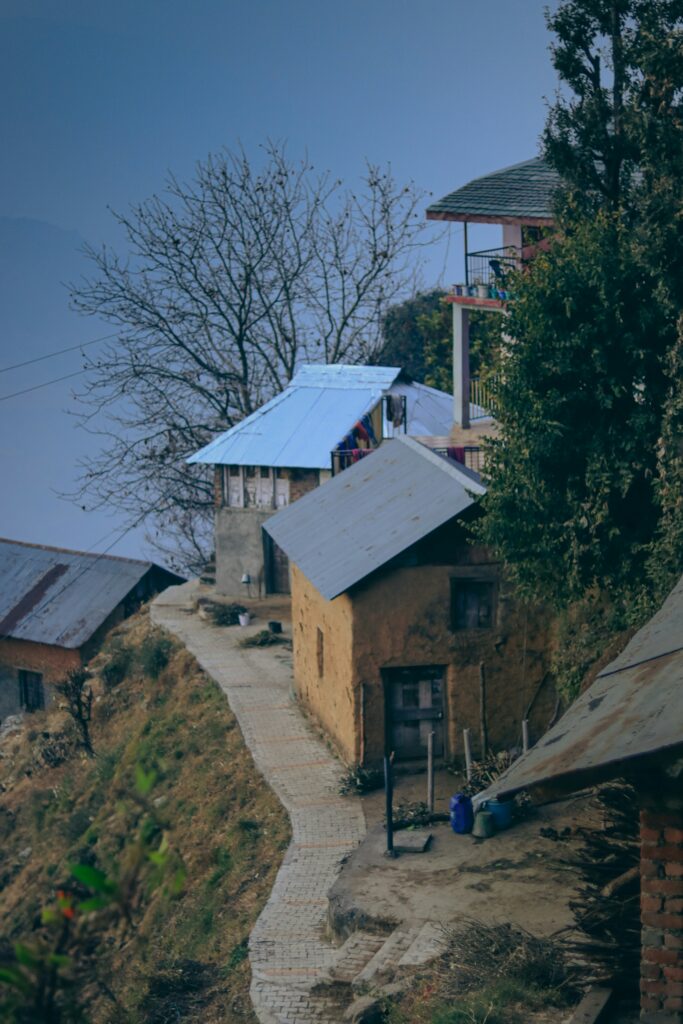
In the peaceful village of Hartola, this ancient water consciousness remains visible today. Oak forests protect recharge zones. Natural slopes guide rainwater gently into the soil. Seasonal streams continue to follow traditional pathways.
Rather than reshaping the land, locals respect its natural flow. This mindset defines mindful mountain living in Kumaon.
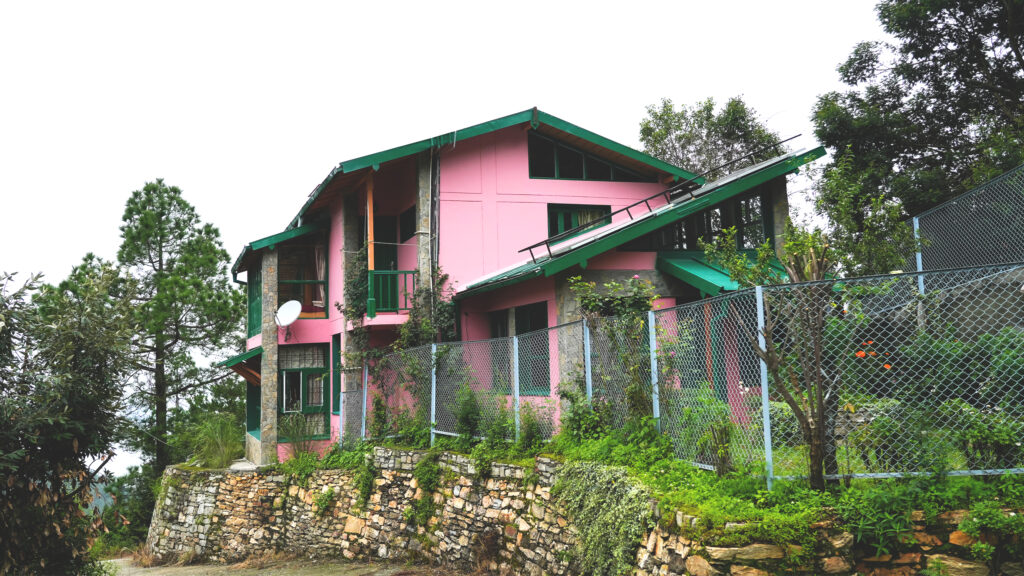
At Chalet Dev Shakti, this philosophy continues in modern form. The architecture follows the natural gradient of the terrain. Drainage systems align with the landscape instead of disrupting it. Surrounding forest cover remains intact.
You can explore our thoughtfully designed Rooms and enjoy experiences like our Birding Trails, Earthy BBQ evenings, and traditional Kumaoni Food — all shaped by respect for local ecology.
Consequently, development coexists with nature rather than replacing it.
Spiritual Ecology of the Himalayas
In Uttarakhand, water carries spiritual meaning. Communities worship springs and rivers. Because water holds sacred value, people protect it instinctively. Pollution remains socially discouraged. Conservation becomes cultural practice rather than enforced regulation. Therefore, belief strengthens environmental responsibility. This blend of spirituality and ecology explains why ancient water systems survived for generations.
Why Ancient Water Systems Matter Today
Climate change and irregular rainfall now challenge Himalayan regions. However, the ancient water Climate change and irregular rainfall now challenge Himalayan regions. However, the ancient water systems of Uttarakhand offer clear guidance:
- Store water locally.
- Follow natural terrain.
- Share responsibility across the community.
- Respect ecological limits.
Above all, these systems teach balance. Villagers did not try to dominate nature. Instead, they worked with it.
From stone naulas to terraced irrigation channels, the message remains clear: sustainability is not a modern trend. It is ancestral knowledge that continues to shape life in the Himalayas.
And when we listen carefully, the mountains still teach.