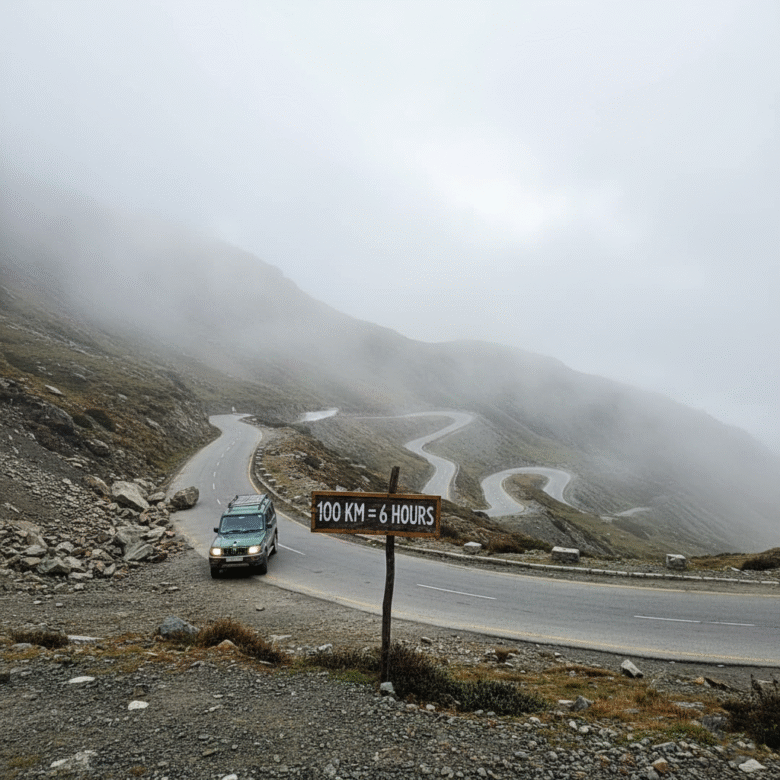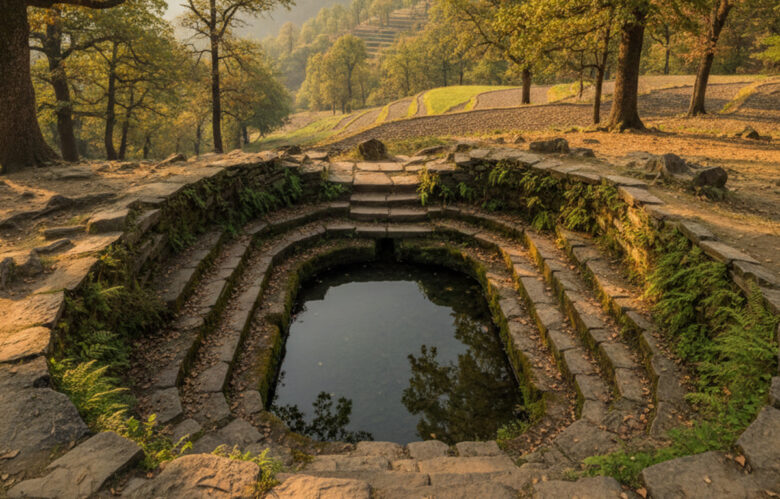
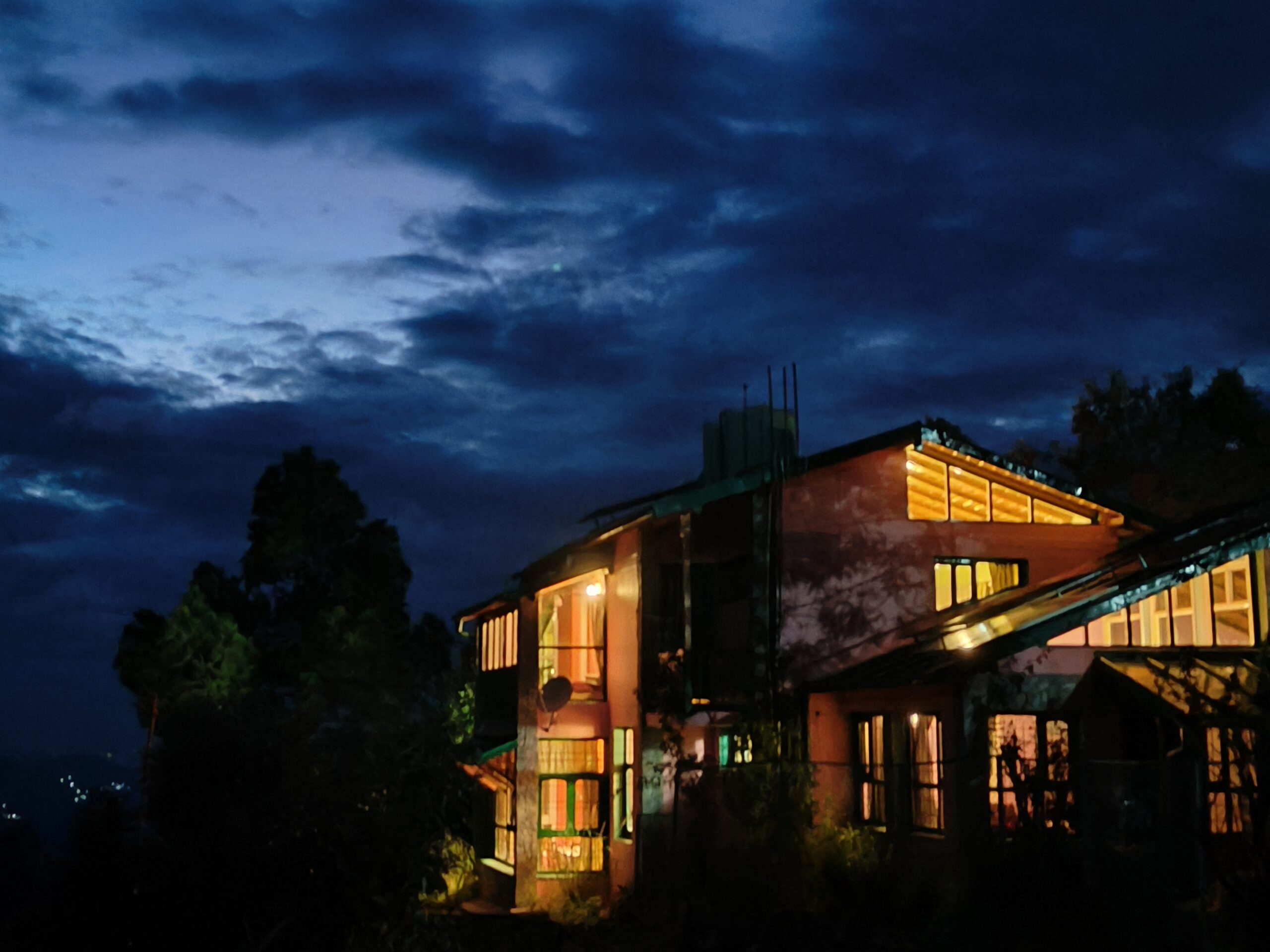
Nestled in the peaceful village of Hartola in the Kumaon Himalayas, Chalet Dev Shakti is surrounded by forests that hum with life. Here, nature sets the rhythm. Mornings begin with a chorus of birds, afternoons glow with fluttering butterflies, and nights echo with mysterious forest sounds. If you’re planning a stay at this idyllic mountain retreat, you’re stepping into one of Uttarakhand’s richest pockets of biodiversity.
This guide highlights the wildlife you’re most likely to encounter around the chalet, offering both casual nature lovers and dedicated wildlife enthusiasts a glimpse of what awaits.
Birdwatcher’s Paradise: The Avian Residents of Hartola
Hartola is widely regarded as a sanctuary for bird enthusiasts, thanks to its dense oak, pine, and rhododendron forests. Over 150+ species have been recorded in this belt, making Chalet Dev Shakti an ideal base for birding.
Birds Commonly Spotted Near the Chalet
- Himalayan Blue Magpie – Intelligent, striking, and often seen hopping confidently around the property.
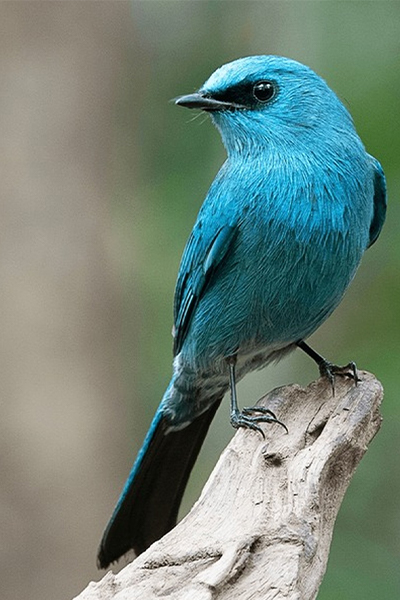
- Verditer Flycatcher – Known for its glowing turquoise feathers perched on sunlit branches.
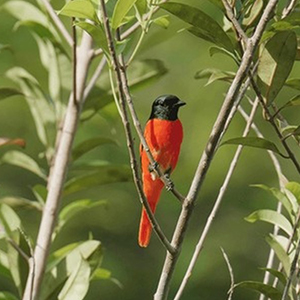
- Scarlet Minivet – Bright red and yellow flashes darting among treetops.
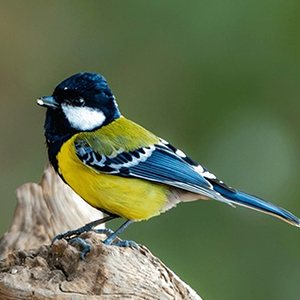
- Green-Backed Tit – Tiny, chirpy birds frequently seen in restless flocks.
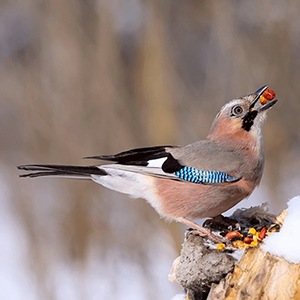
- Eurasian Jay – A shy beauty with soft pastel colours and an unmistakable crest.

Seasonal Visitors
During spring and autumn migration seasons, you may also spot:
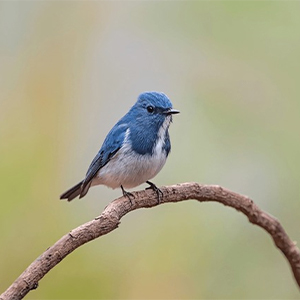
- Ultramarine Flycatcher
- Himalayan Griffon Vulture
- Bar-Tailed Treecreeper
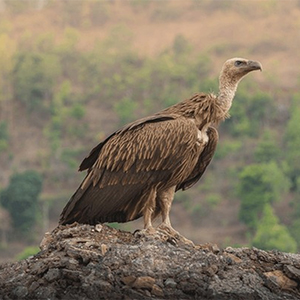
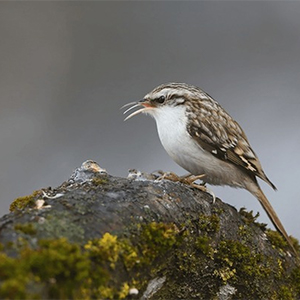
Early mornings around the orchards and forest edges offer the best opportunities for sightings. Bring binoculars—you’ll thank yourself.
2. Mammals on the Move: The Forest’s Elusive Inhabitants
The wildlife around Hartola is diverse, though many creatures prefer staying well hidden. Even so, quiet mornings, forest walks, or simply observing from the chalet balcony can reveal surprising encounters.
Mammals You Might See
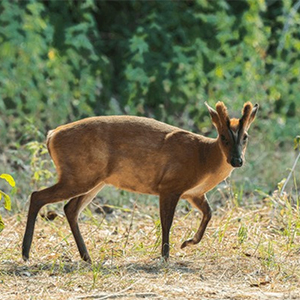
- Barking Deer (Kakar) – Shy but common; their loud, sharp bark often signals alarm.
- Himalayan Langur – Graceful primates with long tails and expressive faces, often moving in groups.
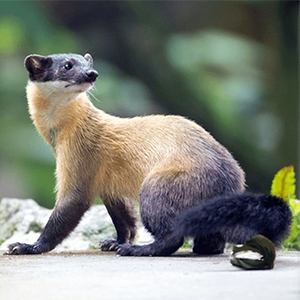
- Yellow-Throated Marten – A vibrant, agile creature that moves quickly and curiously through the woods.
- Red Fox – Sometimes spotted during evenings, especially along forest trails.
- Himalayan Civet & Martens – Mostly nocturnal, best spotted around fruiting trees.
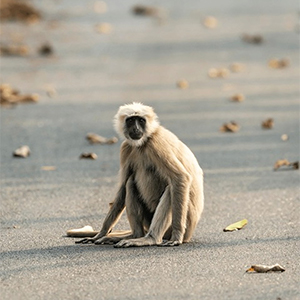
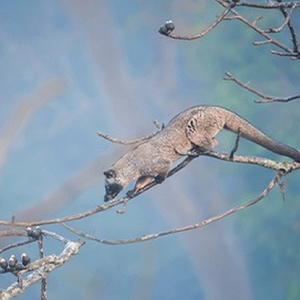
Higher up in the forested ridges, the region also supports leopards, though sightings near Hartola remain rare and they tend to avoid human activity. Their elusive presence, however, adds to the wild charm of the landscape.
3. Tiny Wonders: Butterflies, Moths & Insects
Wildlife encounters aren’t limited to mammals and birds. The surroundings of Chalet Dev Shakti are full of miniature marvels, especially in spring and summer.
Delights to Watch For
- Common Jezebel
- Himalayan Oakblue
- Tailed Jay
- Swallowtail Butterflies
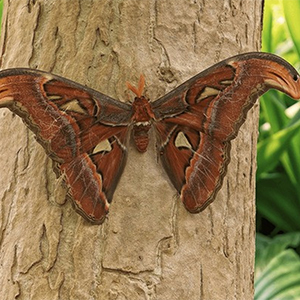
- Atlas Moth – One of the largest moth species in the world, often mistaken for a bird in flight.



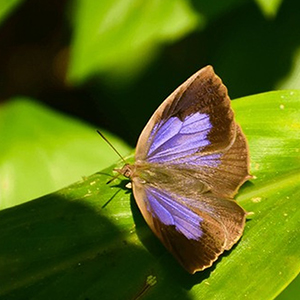
You’ll often find these gentle creatures dancing over blooming flowers, especially near the orchards and sunlit forest clearings.
4. Reptiles & Forest Crawlers: Nature’s Quiet Guests
Reptiles in this region are generally harmless and play an important role in the ecosystem.
Common Sightings
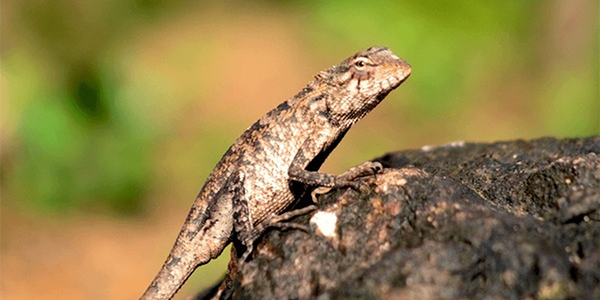
- Oriental Garden Lizard – Often seen basking on rocks or wooden railings.
- Himalayan Rock Agama – Quick, colourful, and commonly found around sunny areas.
- Forest Skinks – Smooth, shiny reptiles that scurry across leaf beds.
Snakes do exist in the region but are rarely encountered—they avoid humans and retreat upon sensing movement.
5. The Night Shift: Wildlife After Dark
When the sun dips behind the Himalayan peaks, an entirely different world awakens. Evenings at Chalet Dev Shakti provide a rare chance to experience the subtle magic of nocturnal creatures.
Possible Nocturnal Visitors
- Himalayan Owls – Their hoots echo beautifully through the forest.
- Civets – Often attracted by fruit-laden trees.
- Porcupines – Known for rustling quietly through the underbrush.
- Fireflies – In early summer, the forest sparkles with their natural glow.
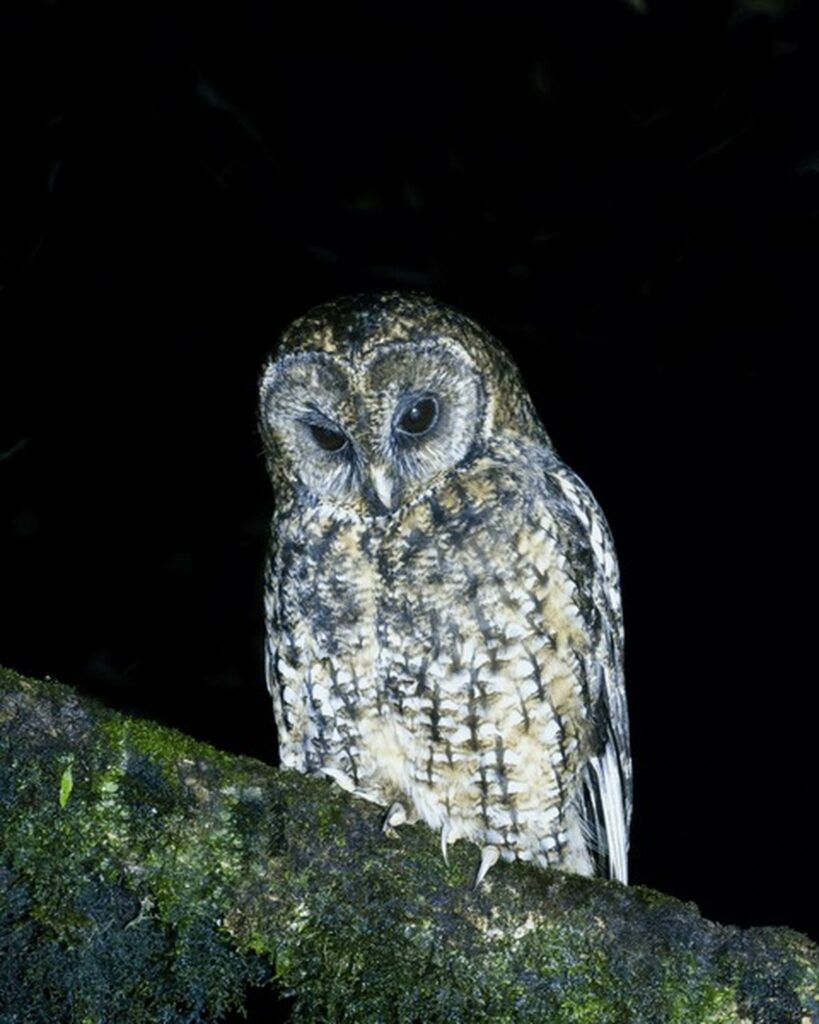
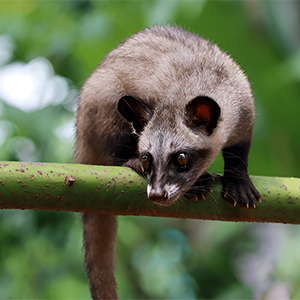
Sitting on the balcony at night with minimal light and maximum silence is one of the best ways to witness this side of nature.
6. Tips for Spotting Wildlife at Chalet Dev Shakti
To make the most of your wildlife encounters:
- Start at dawn – Animals are most active early in the morning.
- Walk slowly and quietly through forest trails.
- Carry binoculars and a good camera if possible.
- Avoid bright clothing that may scare away animals or birds.
- Observe from a distance—always respect wildlife and their space.
Why Hartola Is a Biodiversity Haven
Hartola sits near the Nanda Devi Bird Conservation Zone and boasts thriving oak, deodar, and rhododendron forests. Minimal commercial activity, clean air, and healthy forest cover create an ideal habitat for wildlife to flourish. Chalet Dev Shakti benefits immensely from this untouched natural richness, offering guests a chance to witness the Himalayas at their most vibrant.
Final Thoughts:
A stay at Chalet Dev Shakti is not just about relaxation—it’s an immersion into the thriving wildlife of the Kumaon Himalayas. From the flutter of a Verditer Flycatcher to the silent glide of a civet at night, every moment carries the potential for discovery. Whether you’re a birdwatcher, a wildlife photographer, or simply a lover of nature’s quiet beauty, Hartola promises an unforgettable encounter with the wild.